01Why does a material die?
Materials are not given up because they wear out; most are sound enough to outlast for years what replaced them. One of four things brings a material to its end, and knowing which one tells you how to treat that material in a renovation.
The conditions of the period stand behind each of them. From the 1950s to the 1980s Turkey rapidly turned to apartment living; with the flat ownership law of 1965 a building on a single plot could be sold flat by flat. Millions of new kitchens, bathrooms and stairwells asked for materials that were inexpensive, quick to lay and easy to wipe. Most of the materials in this article are children of that demand.
02The floor: from linoleum to vinyl tile, from fitted carpet to laminate
Linoleum. In 1860 the Englishman Frederick Walton looked at the skin of linseed oil that had hardened on the lid of a paint tin and saw a floor covering. He spread linseed oil, resin, cork dust and wood flour on a backing of hessian. The name comes from Latin: flax and oil. The product took such hold that competitors used the same name; Walton went to court and lost. The court ruled that the name now belonged to everyone. Linoleum is regarded as the first product whose brand name became a common noun. For a hundred years it was the floor of hospital corridors, school classrooms and kitchens.
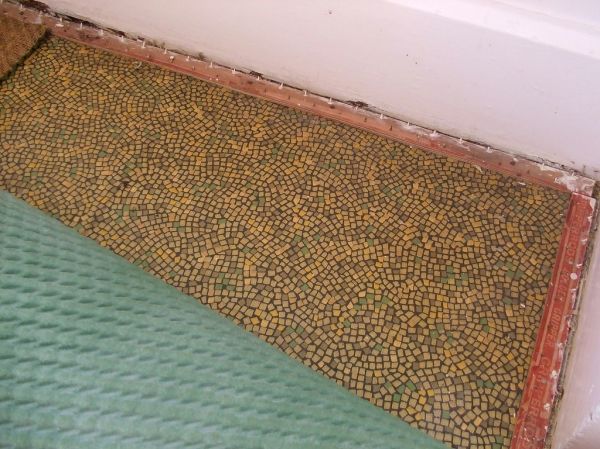
Vinyl tile. The tile we call “marley” in Turkish takes its name from a British company. The material itself is vinyl: plasticised PVC, discovered in 1926, came onto the market as tiles after the war. It was cheaper than linoleum, quick to produce, and because it was laid square by square a damaged piece could be replaced alone. In the Turkey of the 1960s and 70s the floor of a school, a hospital, a government office or a new apartment flat very often meant vinyl tile. Its troubling side was inside it: for durability asbestos fibre was very often added to the tiles and their adhesives. We return to this below.
Fitted carpet. The Turkish word for it, halıfleks, is also a brand name. Wall-to-wall carpet spread when it became cheap in post-war America by tufting the yarn into the backing by machine; in Turkey, in the property advertisements of the 1970s and 80s, “centrally heated, fitted carpet” was a mark of status. It was quiet and warm, the texture of new wealth. What ended it was cleaning: a carpet that cannot be taken up and washed is an archive of dust, mites and everything that has been spilt. In the 1990s awareness of allergy grew, and another novelty took its place.
Laminate flooring. In 1977 a Swedish company laid on the floor the hard laminated surface used on worktops. This floor, with the look of wood, resistant to scratching and laid in a day, removed fitted carpet from homes from the 1990s on. Today it too is being questioned: a printed photograph of wood does not age the way real wood does; when it is worn it is not renewed, it is taken up.
03Cement tile, poured terrazzo and terrazzo tile: the floor of labour
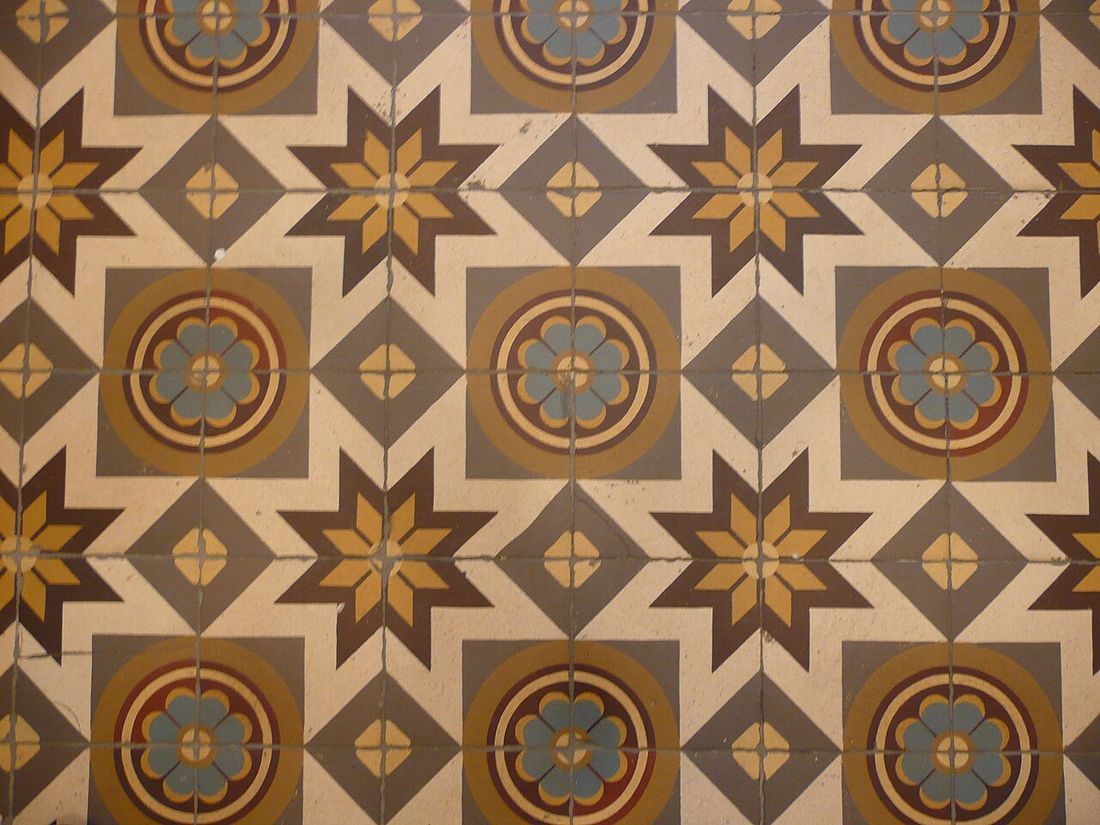
Cement tile. These tiles, which appeared on the shores of the Mediterranean in the middle of the 19th century, are not fired; coloured cement mortar is poured into a mould and pressed. The pattern is not on the surface but several millimetres deep, so that it does not wear away even after a hundred years of footsteps. The starred and flowered floors at the entrances of the old apartment buildings of Istanbul, İzmir and Ankara are these. When factory-fired ceramic became cheap, the tile poured one by one by hand remained expensive, and the workshops closed.
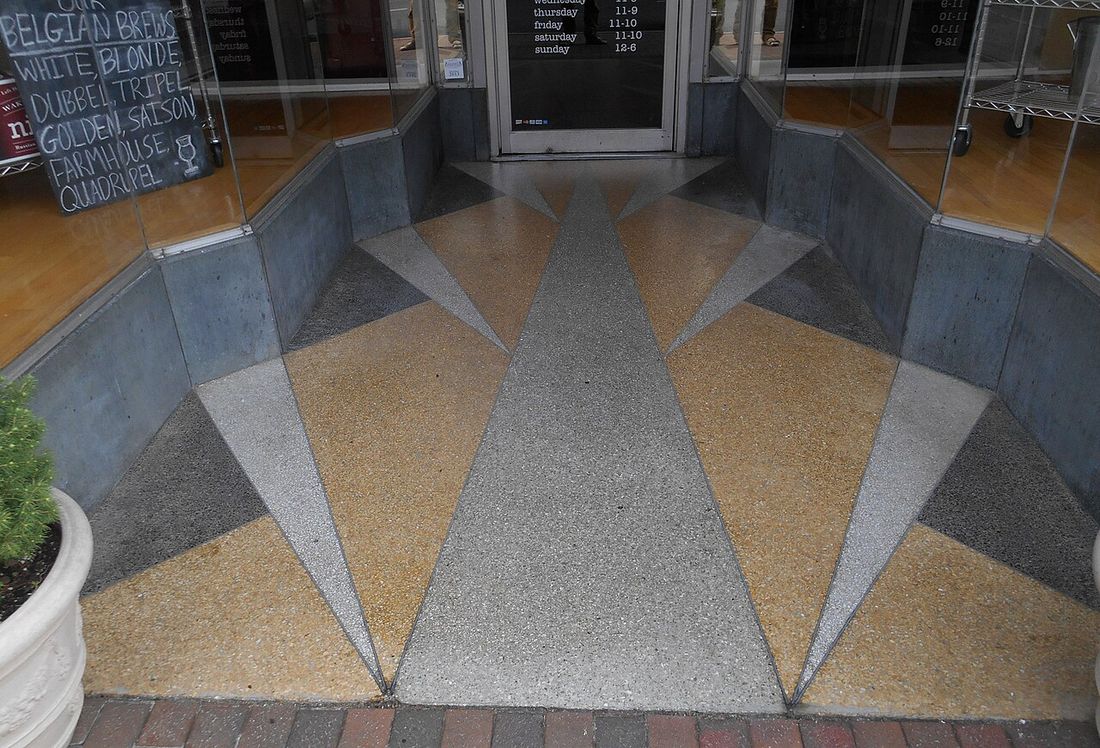
Poured terrazzo. Marble chippings are mixed into cement, poured in place and, once hard, ground and polished. The origin of the method is attributed to Venetian craftsmen who put marble offcuts to use on the floors of their own homes. In Turkey, from the 1950s to the 80s, it was the floor of apartment stairs, school corridors and kitchens. Its soundness is legendary: grind and polish a forty-year-old stair today and it is like new.
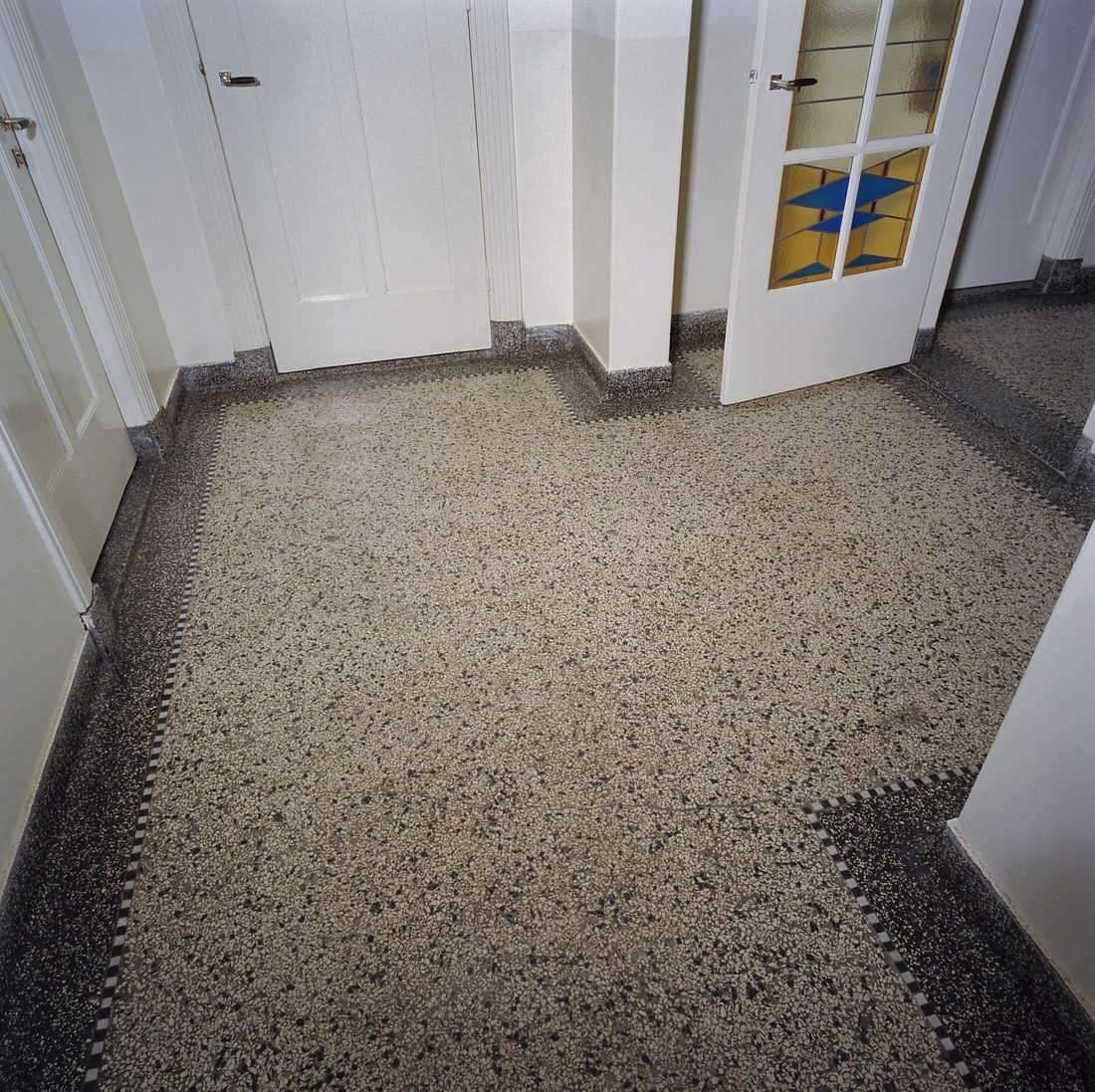
Terrazzo tile. This is the same mix pressed in a factory and delivered as ready-made tiles, and it is perhaps the floor most widely laid in Turkey. Chippings of black, white and brick-red stone in a grey or cream ground; very often square tiles of 20 or 30 cm; a border of another colour around the room. For a generation this was the floor of schools, hospitals, government offices, apartment landings and balconies. Its advantage over poured terrazzo was speed: it is not poured in place and left for days, but laid like tile and then ground. Its weak point is its joints; and being heavy and thick, it is laborious to carry and to lay. It declined when ceramic became cheap and thin. Today it is the material that most often comes out from under the carpet, the laminate or a second layer of ceramic in old buildings, and very often it is worth grinding and polishing it and not covering it again.
What ended all three is the same: labour. It is wet, dusty work that lasts for days, and good craftsmen for it have become few. Ceramic is laid in a day. But all three have come back in the last ten years; because a floor that is jointless, continuous and each one unique is something that tiles out of a box cannot give. If today, in renovating an old flat, a sound poured terrazzo comes out from under the carpet or the laminate, polishing it and not breaking it up is both less costly and more beautiful.


04Glass block: the wall that lets light through and stops the gaze
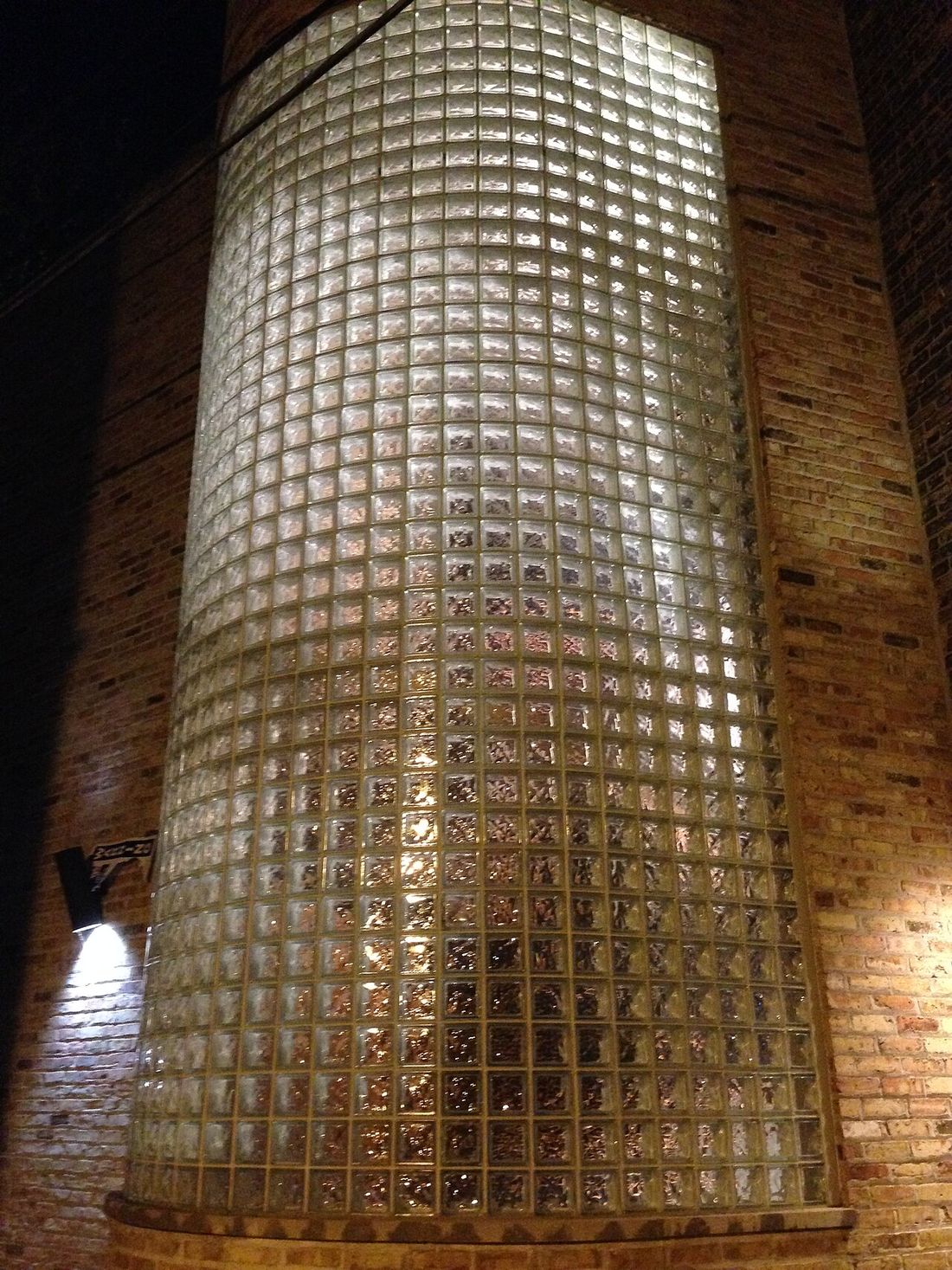
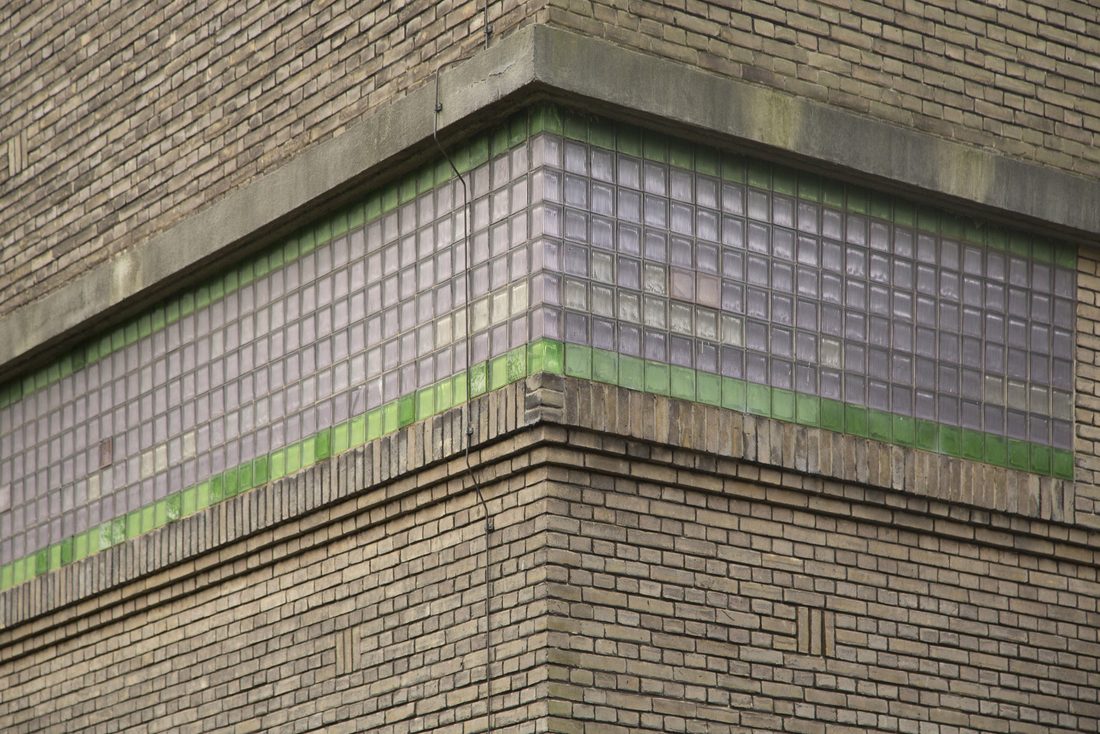
In 1886 the Swiss architect Gustave Falconnier patented the hollow glass block, shaped by blowing into a mould. The real expansion came in the 1930s, when mass production began in America. It was the period of speed and the machine aesthetic, of buildings with rounded corners, and glass block was the wall of those buildings that glowed from inside at night.
Its idea is simple and still without equal: it lets light through and does not let the image through. The air between the two glass shells also helps with thermal and sound insulation. In Turkey, from the 1960s to the 80s, apartment stairwells, bathroom windows and doctors’ surgeries were lit with this material.
What brought it into disfavour was poor use. Put into every bathroom, every bar and every hall, it turned into a tired convention. It had a technical fault too: although it carries no load it is laid like a wall, its joints crack, and when a single block breaks it is hard to replace. Today it is being seen again in careful hands; on the whole façade of a shop in Tokyo and in the partitions of new restaurants. Its lesson is this: the material did not grow old, the way of using it did.

05Laminate, chipboard, panelling: a modernity that can be wiped clean
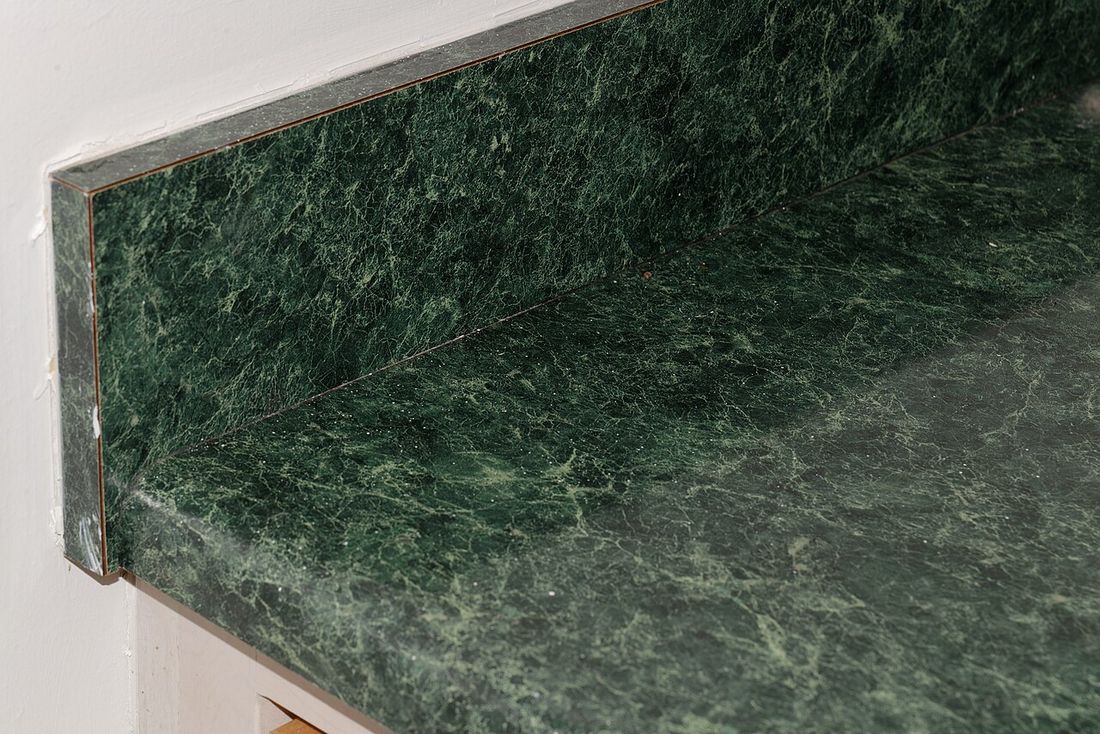
Decorative laminate. In 1912 two American engineers made a material to replace mica, an expensive mineral used in electrical insulation, and took its name, Formica, from a play on words meaning “in place of mica”. Layers of paper soaked in resin, pressed under heat, gave a hard, glossy sheet. In 1927 a pattern could be printed on it; in 1938 a new resin opened the way to colours. After the war it moved onto the kitchen worktop and stood for an ideal: a surface wiped with a cloth, that does not stain and does not harbour germs. The advertisements addressed the housewife, and what was promised was time.
In Turkey formika meant the kitchen cupboard and the table; the material beneath it turned another brand name into a common noun: “sunta” for chipboard. Together the two brought, in place of the solid-wood furniture a joiner laboured over for days, furniture cut and screwed together in a factory. Furniture became cheaper and reached everyone; in return it lost the ability to be repaired. There is no remedy for a chipboard shelf that has swollen.
Timber panelling. Cladding the wall in wood from the waist down or from floor to ceiling, called lambri in Turkish, was the signature of the sitting rooms and directors’ offices of the 1970s. It gave warmth and gravity; it also hid a damp and cracked wall. What caused it to be given up was its darkness: dark varnished wood absorbs light and makes a small flat smaller still. The fashion for white walls in the 1990s took it down. Today it is on walls again in a pale, fine-slatted form; this time for acoustics.

06Fibre cement and asbestos: the price of the miracle fibre
At the end of the 19th century the Austrian Ludwig Hatschek mixed cement with asbestos fibre and pressed it into thin sheets on a machine resembling a board-making machine. He gave the product a name meaning “everlasting”, Eternit. It was light, it did not burn, it did not let water through and it was inexpensive. Corrugated roofing sheet, façade cladding, water pipe, flue, flowerpot: for most of the 20th century asbestos cement was everywhere. Asbestos did not stay only here; it went into vinyl tiles, adhesives, pipe lagging, brake linings and ironing-board mats.
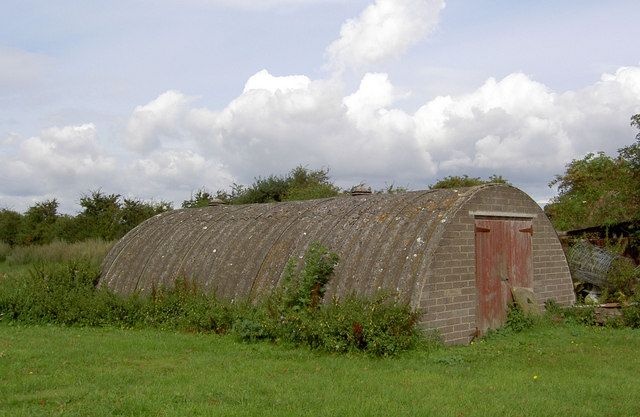
Asbestos is a mineral found in nature in the form of fibres, and its danger lies there too. When it is broken, needles invisible to the eye enter the air, settle in the lungs and decades later cause serious diseases. By the 1970s this was widely known; yet use went on for years, because it was cheap and the material to replace it was not ready. In Turkey the use of every type of asbestos was banned at the end of 2010. In today’s fibre-cement sheets fibres such as cellulose take the place of asbestos.
What is to be done if vinyl tile, corrugated roofing sheet or pipe lagging turns up in an old flat? The first rule: do not break it, do not sand it, do not drill it. Sound, undisturbed asbestos-containing material does not release fibres; the danger begins when dust is produced. Small, square, dark old tiles and the black adhesive beneath them are particularly suspect. If it has to be removed, a sample is analysed first and the removal is carried out by teams authorised for this work. Very often the safest solution is to cover over the sound floor.
07Lead: in the pipe and in the paint
Lead melts easily, bends easily and does not rust; the Romans made their water pipes of it. In many languages the name given to plumbing comes from the Latin name of lead. Lead pipe went on being laid in buildings until the middle of the 20th century. It was in paint too: lead compounds made paint opaque, glossy and durable.
Lead accumulates in the body and harms the development of children in particular. For this reason it was removed from paints and pipes in the last quarter of the 20th century. Galvanised steel pipe came first in its place; because that in turn rusts and narrows from inside, it gave way to plastic pipes. If rusty water comes from the tap in an old building today, the cause is galvanised pipe; and if old oil paint on a wall is to be scraped off layer by layer, one should think about what its dust contains.
08Wall, ceiling and hearth: lath and plaster, plaster cornice, wallpaper, fireplace
Lath and plaster. Thin laths are nailed at close intervals to timber studs and plastered with mortar reinforced with hemp or straw; in Turkish, bağdadi. This is the wall and ceiling of old timber houses: light, flexible, cracking in an earthquake but not easily brought down. It asks for skill and time. At the end of the 19th century the board made by casting gypsum between two sheets of paper was invented in America, and in the 20th century it replaced lath and plaster throughout the world. Plasterboard becomes a wall in a day; lath and plaster in a week.
The plaster cornice. The Turkish name, kartonpiyer, comes from French and properly describes ornament made of paper pulp; in Turkish it has become the name of plaster ceiling cornices and ceiling roses. It hides the crack along the line where ceiling and wall meet and gives the room a frame. The plain approach to interiors took it down as “ornament”. Yet a well-proportioned cornice raises the ceiling; today we do the same job with a plain recess in which light is concealed. The function is the same, the language is different.
Wallpaper. Its fashion turns once every thirty years. The large-patterned papers of the 1970s were scraped off in the 1990s and came back with other patterns in the 2010s. The lasting lesson is the technical one: paper pasted on a damp wall hides mould; the trouble with the wall is solved first.
The fireplace. In the houses built in the early Republican years of Ankara, in the garden villas of Çankaya and Kavaklıdere and in the first apartment flats, there was very often a fireplace on one wall of the salon. It could not be said to be there for heating; an open fire sends most of the heat of the wood it burns up the chimney and draws the warm air of the room with it. The fireplace was a sign: a sign of Western domestic life, of the salon where guests are received and of the idea that the salon should have a focal point. The armchairs were arranged around it, and a clock and photographs were set on the mantelpiece.
Three things ended it. Central heating and then natural gas made the fire unnecessary. Multi-storey apartment blocks stopped giving each flat a flue of its own. And the focus of the salon changed: the armchairs now turned not to the fire but to the television. Today the fireplace is hardly ever built in new housing; most of those that are built are electric or bioethanol imitations, that is, the image of the flame has stayed and its flue and its heat have gone. If you find a blocked fireplace in an old flat, check whether its flue is still open: it may be a good route for natural ventilation or a bad heat leak.
09The outer face: glass mosaic, vinyl siding, the window, brick
The glass mosaic façade. The coloured glass tiles the size of a fingernail that cover the face of the apartment blocks of the 1960s and 70s. They do not fade like paint, and the rain washes them. The problem is beneath: when water gets between the render and the tile it comes away piece by piece, and a new tile of the same colour cannot be found. Exterior paint and then insulation cladding took its place. Thousands of façades clad over without being stripped still carry that mosaic beneath.
Vinyl siding. Known in Turkey as “American siding”, it comes, as the name says, from America. There the outside of timber houses is clad in horizontal boards nailed so that each overlaps the next, to let rainwater run down. In place of these boards, whose paint has to be renewed every few years, first aluminium and then, from the late 1950s, plastic strips were produced: a light façade that needs no paint and clips into place. It came to Turkey in the 1990s and soon became the dress of a dream: the detached house on an estate, the attic floor, the summer house, the “American-style villa”. Because it could be fixed quickly on battens over a brick wall, it was also an inexpensive way to renew the face of old buildings.
Its fall came at the same speed. It faded and buckled in the sun, broke under impact and melted in fire. More importantly, it hid what was behind it: the plastic skin fixed over an uninsulated wall kept the moisture in and made the mould invisible. When thermal insulation became compulsory and external insulation spread, it gave way to that. Today the same appearance is made with fibre-cement or timber strips, with a ventilated cavity left behind them. The lesson is the reverse of that of glass block: here it was not the use that grew old but the material itself; the form, that is, the overlapping horizontal strip, is still one of the most intelligent façade arrangements against rain.
The timber window and single glazing. For centuries the window was a timber frame and a single pane fixed with putty. Single glazing insulates almost not at all: in winter the place in front of the window is the coldest in the room, the glass mists up, and in the morning water collects on the sill. Homes were lived in accordingly. The armchair was not put in front of the window, heavy curtains were drawn in the evening, and paper tape or foam strip was stuck round the edges of the window. In cold climates the solution was the double window: a second leaf was fitted on the inside of the same opening and kept closed in winter, sometimes with cotton wool laid between.
Double panes and the sealed unit. The next step was to fit two panes, spaced apart, in the same leaf. It worked, but because the space between the two panes was not sealed it misted up and gathered dust inside. The real solution came from the factory: two panes are sealed at their edges with dry air trapped between them and fitted as a single unit. In Turkish the name of this unit, ısıcam, comes from a brand. Compared with single glazing it roughly halves the heat loss; today’s glazing, with gas filling the cavity and a thin metallic coating on one face, halves it once more.
PVC. The plastic window profile developed in Germany in the 1950s almost entirely removed timber in Turkey after the 1980s. It needed no paint, it did not rot, and it carried the sealed unit easily. What was gained was insulation and freedom from maintenance. What was lost is spoken of less: the fine glazing bars of timber gave way to thick white profiles, and the face of old buildings changed. There was an unexpected result too. The old timber window let draughts through, that is, the home was ventilated without anyone noticing. In homes where airtight windows were fitted the moisture stayed inside; mould in the corners is the familiar ailment of flats whose windows were replaced without insulation. A window is not only a material; it is the way the home breathes.
This change affected the plan as well. When the place in front of the window ceased to be cold, the furniture moved towards the glass, windows grew, and balconies were glazed in and added to the room. A living room glazed from floor to ceiling, as we have today, could not even have been imagined with single glazing.
Brick. It has not ended, but it has changed its job. Brick, which carried the building for centuries, turned into a material that merely fills the gaps once the reinforced concrete frame spread; then it began to hand over that job too to lighter and more insulating blocks, the aerated concrete developed in Sweden in the 1920s. Today brick is very often a facing: it does not carry the wall, it forms the face of the wall. It is a good example of a material retiring without dying.
10Side by side
| Material | Why it was liked | Why it was given up | Today |
|---|---|---|---|
| Linoleum | Inexpensive, quiet, wipeable | Vinyl was cheaper and quicker to produce | Chosen again for its natural content |
| Vinyl tile | Replaced tile by tile, durable | Asbestos; then laminate and ceramic | The old is left undisturbed; asbestos-free vinyl continues |
| Fitted carpet | Warm, quiet, status | Cleaning and allergy | As carpet tile in offices and hotels |
| Cement tile | A pattern that does not wear away | Hand production remained expensive | It has come back |
| Poured terrazzo | Jointless, very sound | Wet and lengthy labour | It has come back; the old is being polished |
| Terrazzo tile | Quick to lay, very sound | Heavy and thick; ceramic became cheap | The old is ground and polished; new is being produced |
| Glass block | Light passes, the gaze does not | Overuse, problems with joints | Coming back selectively |
| Laminate and chipboard | Wipeable, inexpensive furniture | Swells when wet, cannot be repaired | Continues with better boards |
| Timber panelling | Warmth, hiding of faults | Darkness | Pale acoustic slats |
| Asbestos cement | Does not burn, light, inexpensive | Serious diseases | Banned; asbestos-free fibre cement |
| Lead pipe and paint | Easily worked, opaque | Poisonous | Banned |
| Lath and plaster | Light, flexible | Plasterboard is far quicker | In repair only |
| Glass mosaic façade | Does not fade, washes clean | Comes away, cannot be matched | Beneath the claddings |
| Vinyl siding | Needs no paint, quick to fix, the look of a “villa” | Fades, breaks, hides moisture | Fibre-cement and timber strips, the ventilated façade |
| Timber window, single glazing | Slender, repairable | Needs maintenance, insulates poorly | In quality work, with insulating glass |
| Fireplace | The focus of the salon, status | Central heating, the block without flues, television | Electric and bioethanol imitations |
11What did it bring, what did it take away? And which is today’s vinyl tile?
What they brought. These materials made comfort inexpensive. The wipeable kitchen, the warm floor, the bright stair and the roof that does not burn had, a generation earlier, been only the home of the wealthy. The factory-made sheet and tile made it possible to build millions of flats in a few decades.
What they took away. The first is health, and its price was very often paid by the workers who produced, cut and laid the material. The second is repairability: most of the materials that replaced solid wood, poured terrazzo and lath and plaster are not repaired but replaced. The third is locality: every town had its own stone and its own craftsman; a material chosen from a catalogue is the same everywhere.
The most important lesson is this: both asbestos and lead were in their time “the best material”, and those who used them meant no harm. Knowledge came late, and habit changed later still than knowledge. We are living through something similar today. In 2017 a fire in a residential tower in London spread over the whole façade within minutes because of the cladding panels with a combustible core that had recently been fitted to the building, and 72 people sadly lost their lives. Those panels too had been chosen as light, inexpensive and modern.
For this reason I ask three questions of a new material. How will it look in twenty years? When it fails, can it be repaired, or is it taken out and thrown away? What does it release when it is cut, when it burns and when it is removed? The materials that answer these three questions well are few, and most have already been in use for thousands of years: stone, timber, lime, fired clay, glass. It is no coincidence that all the materials that have come back stand close to this list.