01A claim first: the house is the mould of its heating
You can tell how a house was heated by looking at its plan. A house with a single fire has a single room, or everyone gathers in one room in winter. A house with a flue in every room is a house of stoves. A house with a recess under its windows has central heating. A house with a white box hanging on its balcony is heated by natural gas. When the source of heat changes it is not only the object that changes; so do the number of rooms, the place of the furniture, where the family sits in the evening and who does which job in the home.
All the objects in this article are answers to the same question: how do we keep fire inside the house so that it warms us but neither poisons nor burns us? Each answer asked for a little less work and a little more installation than the one before. In the end the fire vanished from sight altogether.
02Brazier and tandır: sitting around the fire
The brazier. A vessel of copper or brass on legs, carrying charcoal that has turned to embers; in Turkish, a mangal. It has no flue; so only embers lit outdoors, whose smoke is spent, are put in it. Its being portable fits the logic of the traditional house: the room is fixed, the object moves. Whichever room the brazier enters becomes the winter room. Its design follows the job as well: the wide mouth gives the radiation of the embers to the room, the legs protect the timber floor, the handles are for carrying. In mansions it turned into an ornament, and its chased examples entered museums.
The tandır, or kürsü. This is perhaps the cleverest heating arrangement of Anatolia. A brazier is put under a low table, a large quilt is spread over it, and the family sits around it with their legs under the quilt. It heats the person, not the room; with little fuel it keeps a whole family warm all evening. The same idea exists in Iran and in Japan; that three cultures independently arrived at the same solution is a sign that the solution is right. Its social result is plain too: everyone is around the same table. The Turkish phrase for a fireside chat, “talk at the tandır”, comes from here.
The price of both is the same: a fire without a flue produces poisonous gas in a closed room. That is why the draughty timber windows of old houses were not a fault but a safeguard of life.
03The stove: the invention of the pipe and the one warm room of the house
What sets the stove apart from the brazier is a pipe. The fire is taken into a closed body, the smoke is carried outside through the pipe, and as the body heats up it heats the room. This simple change brings two gains: the fuel can be burnt indoors, so that all the heat of combustion stays in the room; and the fire can burn for hours unattended.
Its physics works in two ways. The hot body heats everything facing it by radiation: the side of you turned to the stove burns while your back is cold. The air that touches the body also warms, rises and circulates in the room. Keeping the pipe long inside the room is not an ornament: before the hot smoke leaves, it gives up its heat to the pipe, and the pipe to the room. The stovepipe wandering from elbow to elbow was the home’s first heat-recovery system.
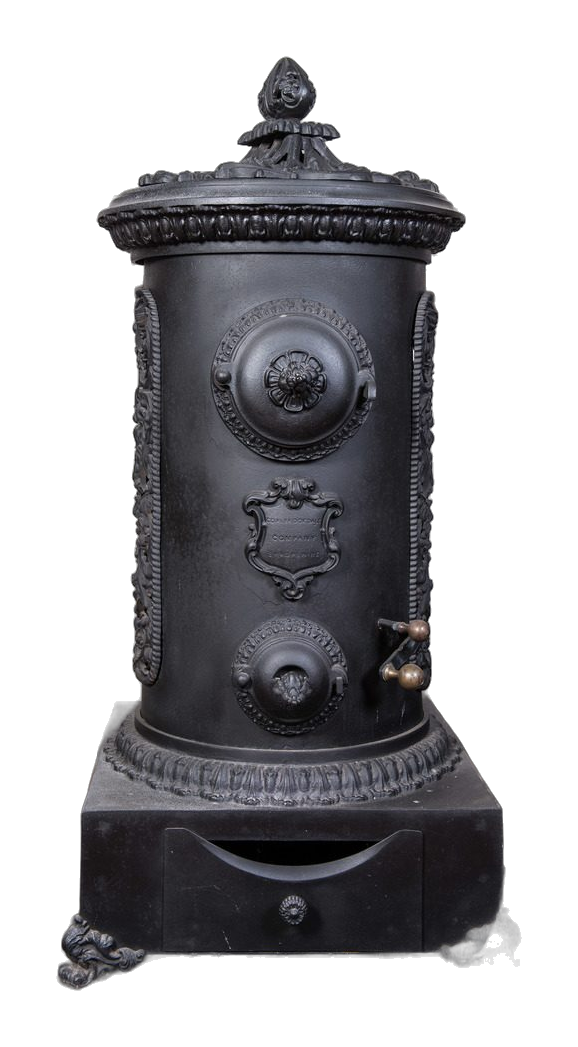
Its kinds. The sheet-metal stove is inexpensive, heats up quickly and cools quickly once the fire is out. The cast-iron stove is heavy, slow to heat and slow to cool. Stoves lined with firebrick or clad in tiles take this idea to its end: they are lit once in the evening, their mass stores the heat, and they stay lukewarm until morning. That is why the tiled stoves of old mansions and official buildings were part of both the architecture and the services. The hopper stove takes coal from above into a magazine and burns it slowly, so that it burns all night. The paraffin stove feeds lamp oil to the fire through a dripper; it spares one the chopping of wood and is remembered for its smell.
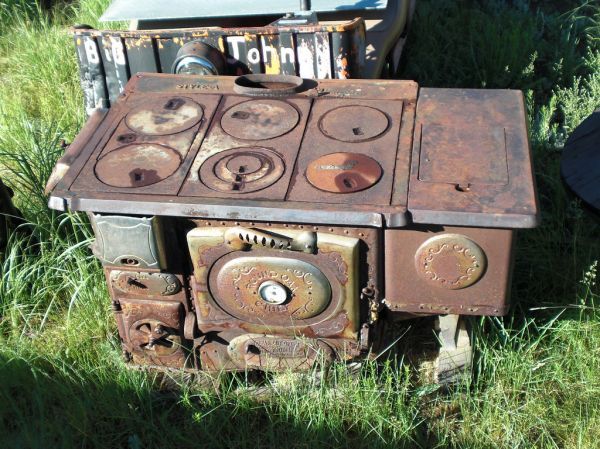
The kuzine. Its name comes from the Italian for kitchen. A stove with a flat cast-iron top, an oven beside it and sometimes a water boiler: with the same fire the room is heated, food is cooked, bread is toasted and the washing-up water is warmed. One fuel, four jobs. In a home with a kuzine the kitchen and the sitting room are the same room in winter. Today’s “open-plan kitchen” is presented as a novelty; yet in every house with a single fire the kitchen was already the living space.
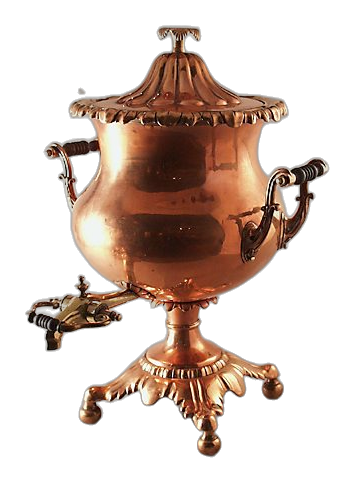
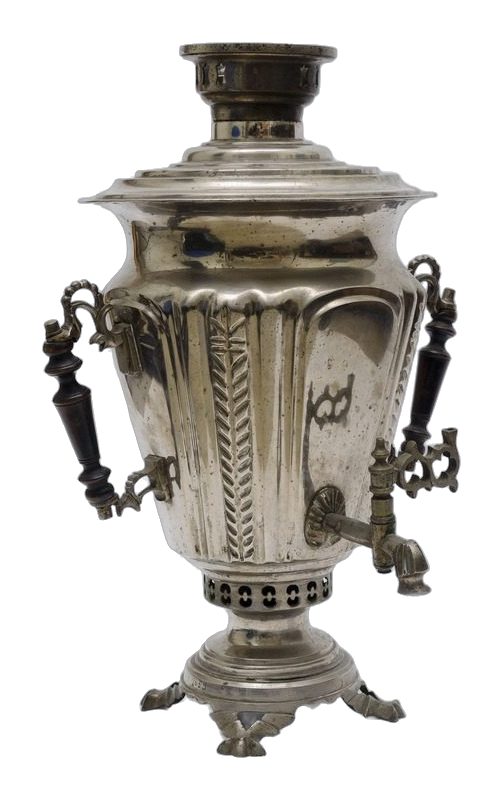
There was one more object that carried fire inside it: the samovar. Charcoal burns in the tube at its centre, and the reservoir around it keeps the water hot for hours; the teapot brews on top of the tube, in the rising hot air. It is a device that boils the water, brews the tea and warms the table with a single fire, and it is the object of large gatherings: the tea does not run out and nobody goes to the kitchen.
04The plan of the stove-heated house: a home that shrinks in winter
The stove shaped the plan of the house and the life of the family more than is supposed.
- The one warm room. Fuel is expensive, so in most homes a single stove burns. In winter the whole family lives in that room: meals are eaten there, homework is done there, the guest is received there, and the small children very often sleep there. There is little privacy; togetherness is compulsory. The idea of a room of one’s own for children is, to a large extent, a product of central heating.
- The cold salon. The salon, the largest and best-furnished room of the house, is not heated all winter; its door is kept shut and it is opened only when an important guest comes, with a second stove lit. Behind the distinction between the salon and the sitting room there is the fuel account as much as manners.
- The ice-cold bedroom. One goes to bed with a hot-water bottle, with a brick warmed on the stove, or under layer upon layer of woollen quilts. The heavy wool quilt is an object of this house; in a centrally heated house it is too much.
- The flue decides the plan. Every stove has to reach a flue. The sequence of the rooms, the place of the walls and the number of chimneys on the roof follow from this. The chimney breasts on the façades of old apartment blocks and the round pipe holes in their walls are the traces of this arrangement.
- The coal store and the wood store. The fuel must have a place: a compartment set aside for each flat in the basement, a shed in the garden, a chest on the balcony. Coal comes by lorry, is carried in buckets, and its ash is thrown out every morning.
- The ritual of the seasons. In autumn the stove is set up, the pipes are fitted and the elbows are sealed with putty; in spring it is taken down, cleaned and put away. Twice a year the layout of the home changes. The top of the stove does not stand empty either: a teapot, chestnuts, orange peel, laundry that will be dry by evening.
It must also be said who carried the burden of this arrangement. The one who rose before everyone else to light the stove, who emptied its ash and carried its coal, was very often the woman of the house and the children. The stove-heated house is told as a warm memory; it was at the same time heavy work repeated every day.
Why is there news of stove poisoning on nights of the lodos, the warm south-west wind? A flue draws because the hot smoke inside it is lighter than the cold air outside. The lodos warms the air and presses the wind onto the mouth of the chimney; the draught weakens, and may even reverse. In a stove turned down for the night combustion stays incomplete, and carbon monoxide, a gas without smell or colour, fills the room. Every winter people sadly lose their lives this way. In every home with a stove, a water heater or a combi boiler, the least expensive precaution that can be taken today is a small carbon monoxide alarm fixed to the ceiling.
The one warm room shaped neighbourly life as well. The house one visited on a winter evening was the house whose stove was lit; no separate room was heated for the caller, and everyone squeezed in around the same stove. On top of the stove there were chestnuts, tea and orange peel. The household whose fire would not catch in the morning asked the neighbour for a shovelful of embers; buying coal and wood, carrying it and taking it down to the coal store were also very often done by many hands together. When every flat had its own combi boiler, there was no longer any need to knock on anyone’s door in order to keep warm.
05Bottled gas and the catalytic heater: warmth without a flue
In 1961 the distribution of bottled gas began in Turkey, and the kitchen changed. The wood stove or the paraffin cooker gave way to a flame that lights at once with a match and goes out at once; the sound of the gas lorry entering the neighbourhood is the sound of an era. The cylinder was an infrastructure without pipes or a network: it reached everywhere a road did. In the fast and unplanned growth of Turkey’s cities this meant having a modern kitchen without waiting for the mains.
Later the same cylinder entered the living room. The catalytic heater burns the gas not with a flame but flamelessly on a heated surface; the panel in front glows and heats by radiation. It is on castors, it has no flue, and the cylinder sits in its back. It is the modern grandchild of the brazier: the room is fixed, the heat travels. It was the easiest way to heat a room without a stove, a student flat or the corner the central heating did not reach, and it is still sold.
Its weakness is the same as the brazier’s. Combustion uses the air of the room and leaves its products in the room: carbon dioxide and a great deal of water vapour. In a room heated by a catalytic heater the windows mist up, the corners grow mould and the air becomes heavy; leaving the window ajar is not a suggestion but a requirement. When natural gas and the combi boiler spread, it largely withdrew from homes; it lives on in coffee houses, shops and patio heaters.
06Hot water: from the wood-fired boiler to the instantaneous heater, from bath day to every day
The termosifon. An upright water boiler standing in the bathroom, with wood or coal burnt beneath it. Heating the water takes half an hour; so hot water is an event. The idea of “bath day” comes from here: once a week the boiler is lit and the whole family washes in turn. That the bathroom is small, windowless and very often next to the kitchen is the result of the same account: let the volume to be heated be small and the water pipe short.
The şofben. Its name comes from French and means bath heater; it is an instantaneous gas water heater. It lights when the tap is opened, the water is heated as it passes through, and it goes out when the tap is closed. There is no tank and no waiting. With bottled gas and then with natural gas it entered every home and turned hot water from an event into a habit. The daily shower is, to a large extent, the work of this heater.
The water heater also had a dark side. Its first types used the air of the room they burnt in, and most were fitted inside the small, windowless bathroom. When oxygen runs low in a closed bathroom, combustion goes wrong and carbon monoxide forms. Because of this many people sadly lost their lives in the bathroom; fitting the heater in the bathroom was later forbidden, and sealed types that take their air from outside and send their fumes outside became compulsory. That is the reason the water heater or the combi boiler stands in the kitchen or on the balcony today; if in an old flat you see an open-flame heater still standing inside the bathroom, it is not an antique but a danger.
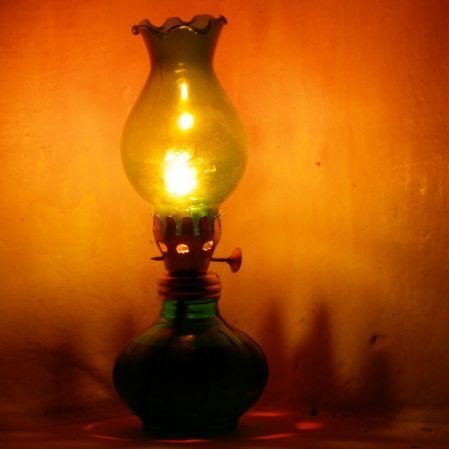
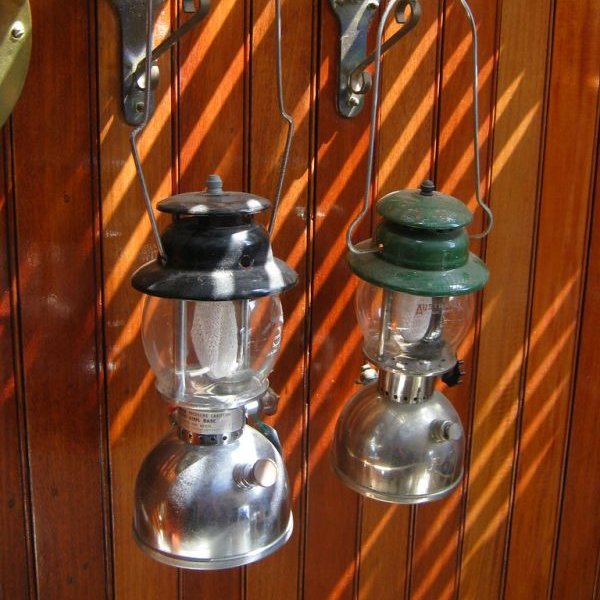
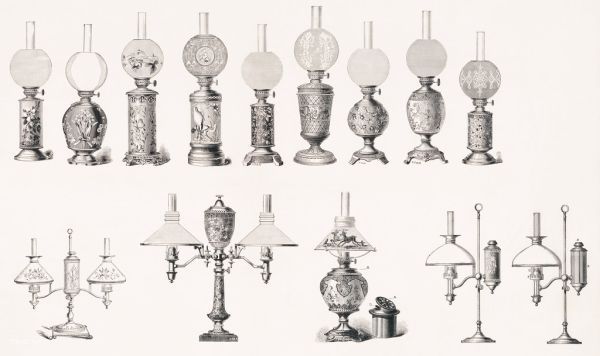
The paraffin lamp. Light, as much as heat, came from fire. The wick lamp was the light of homes until electricity came, and after it came, in the power cuts of the 1970s and 80s; its glass chimney was wiped every evening and its wick trimmed. The pressure lamp, known in Turkish as the “lüks”, was the bright white light of weddings, coffee houses and the market. The evenings of power cuts were the last times the family gathered around a single lamp. How electric light was tamed is the subject of the article on designer lamps.
07Central heating: the moment heat became invisible
Central heating came to Turkey first in official buildings and in the city apartment blocks of the 1930s. A boiler in the basement, a radiator in every room and hot water circulating between them. This arrangement gave rise to its own spaces and its own trade: the boiler room, the coal store, the ash hoist and the person who fired the boiler. In Turkey the caretaker’s flat in the basement of the apartment block is, to a large extent, the gift of central heating; someone had to stand by the boiler.
The place of the radiator is a decision of physics as well. Cold air seeps in through the single-glazed window and flows down towards the floor; the radiator is put exactly there, under the window, to meet that current. The recesses under windows and the armchairs moved to the middle of the room so as not to block the radiator are the results of this decision. How windows changed is the subject of the article on the materials of an era.
Central heating had a social side too: the boiler burns for everyone or not at all. The money for fuel was collected with the service charge, and when the boiler would be lit was argued over at the residents’ meeting. The quarrel between the top floor that was cold and the middle floor that was too warm was among the first lessons of living together.
08Natural gas and the combi boiler: a boiler of one’s own
Natural gas entered homes in Ankara in 1988 and in Istanbul and Bursa in 1992. Its effect was seen first in the sky: the air of cities where one could not breathe in winter because of coal smoke became markedly cleaner within a few years. Then it was seen inside the home.
The combi boiler joined the boiler and the water heater in a single box and gave one to each flat separately. Its results can be read as a list:
- The coal store, the boiler room and the ash disappeared; basements became storage and car parks.
- Stove flues lost their function; in new buildings they are not built at all.
- All the rooms became warm; the family dispersed through the house, and the child’s room became a real room.
- The distinction between the salon and the sitting room lost its meaning; the two merged, and then the kitchen joined them.
- Hot water became unlimited; the second bathroom and the en-suite bathroom became common.
- Heat became a personal bill; one subject of quarrel left the residents’ meeting, but the cold wall of the neighbour who does not heat arrived as a new one.
Something was lost as well, and it matters for design: the focus. In the stove-heated room everyone sat facing the stove; the fire was at once the centre of heat, of light and of conversation. The radiator stands silently at the foot of the wall and nobody looks at it. Another box soon settled in the emptied centre, and the armchairs turned to it: the television. The spread of imitation electric fireplaces in today’s living rooms comes not from a need for heat but from a longing for this lost focus.
09Side by side
| Object | How it heats | Effect on the home | What ended it | Today |
|---|---|---|---|---|
| Brazier | Open embers, radiation | Portable; whichever room it enters is the winter room | The stove | An ornament; a grill in the garden |
| Tandır, kürsü | Embers under a table, a quilt | The family around one table | The stove and the furniture layout | Continues in the countryside |
| Stove | Hot body and pipe | One warm room, closed salon, coal store | Central heating, natural gas | Common; the main heater in the countryside and in low-income homes |
| Kuzine | Stove and cooker in one | The kitchen is the living room | The bottled-gas hob | In village houses; in nostalgic kitchens |
| Tiled stove | Heat stored in mass | Part of the architecture, fixed | Central heating | Drawing interest again |
| Catalytic heater | Flameless combustion, radiation | On castors, no flue; a problem of damp and air | The combi boiler | Shop and patio heater |
| Termosifon | A water boiler heated with wood | Bath day, a small bathroom | The şofben | Solar hot-water tanks carry on the same idea |
| Şofben | Heats running water at once | The daily shower | The combi boiler | Its sealed types continue |
| Paraffin lamp | A flame on a wick | The family around a single light | Electricity | An ornament; in a drawer against power cuts |
10What did it bring, what did it take away?
What it brought is plain and not to be belittled: clean air, warmth in every room, hot water every day, backs spared from carrying coal, and far fewer poisonings. Nobody misses going down to the basement with a bucket, or a bedroom covered in frost.
What it took away is subtler. The first is skill: the generation that knows how to light a fire, read a flue and use fuel sparingly is dwindling; heat is now a button and a bill, and where it comes from is not seen. The second is togetherness: the one warm room was a necessity, but it brought the family to the same table every evening. The third is resilience: the stove burns when the gas is cut and the electricity fails too. It is no coincidence that the first thing people look for after a major earthquake or a long power cut is a stove.
The lesson for design is not nostalgia but principle. The brazier and the tandır heated the person, not the room; as energy prices rise we are returning to the same idea, that is, to heating the place where one sits and not the whole volume. The tiled stove stored heat in mass; underfloor heating and the thick wall do the same job. The kuzine did four jobs with one fire; today we call that recovering waste heat. Most of the old objects are gone, but the questions they answered remain.
The other articles of the series read the same home through other objects: cleaning and laundry, the kitchen and shopping, entertainment and communication, the order of the home.